탐색으로 건너뛰기
주요 콘텐츠로 건너뛰기 Semiconductor Ultra Fast Fuse Guide for IGBT, SCR & SiC MOSFET Protection
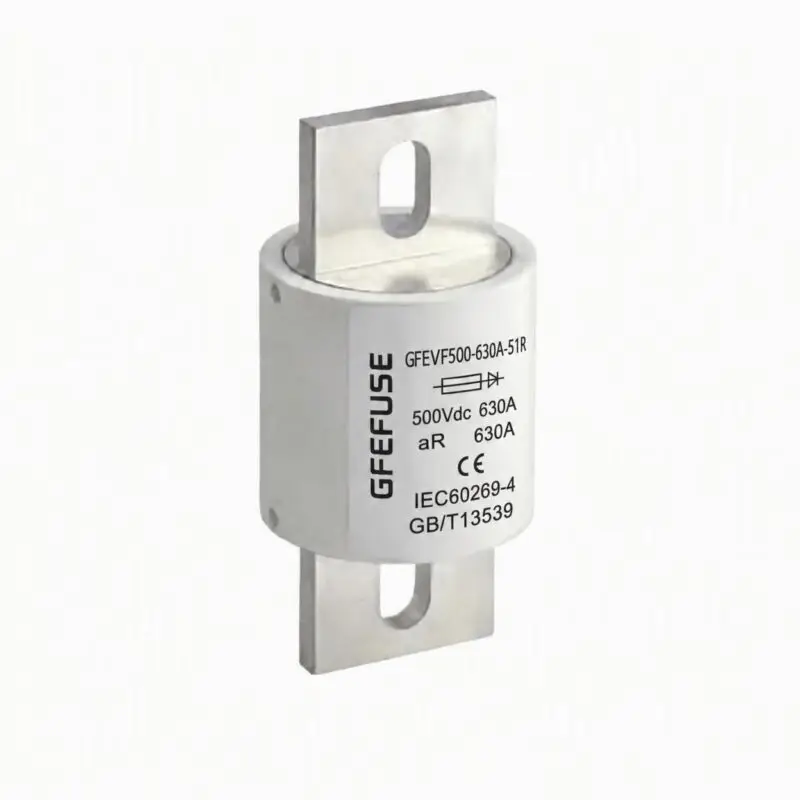
Semiconductor fuses, also known as ultra-rapid or ultra-fast fuses, serve as dedicated overcurrent protection parts for fragile power semiconductors, including IGBTs, SCRs, SiC MOSFETs and diode modules. Unlike general DC fuses built for battery energy storage or automotive battery packs, these fuses deliver sub-millisecond short-circuit interruption. Their core goal is to block fault current before semiconductor chips take irreversible avalanche damage.
In this guide, you will learn core classification rules, coordination logic, parameter matching standards and common design mistakes for power converters, UPS units, welding equipment, rectifiers and medium-frequency inverter projects.
What Is a Semiconductor Ultra-Fast Fuse?
gG general-purpose fuses, standard industrial fuses and BESS DC fuses follow slow time-current curves. They tolerate brief overload pulses but cannot react fast enough for semiconductor short-circuit faults. Power semiconductors such as IGBTs only survive fault energy for microseconds to a few milliseconds. Once the fault Joule integral exceeds the chip limit, the component will fail permanently.
Engineers design semiconductor fuses with special melt elements and quartz sand filler to achieve ultra-high current limiting speed. This design cuts off fault current while the short-circuit current is still rising, which drastically reduces the I²t energy flowing into the semiconductor module.
Main Utilization Classes for Semiconductor Fuses
aR Class (Semiconductor Protection, High Speed) This is the most widely selected option for IGBT, SiC MOSFET and high-power diode modules. It provides ultra-fast short-circuit protection, yet it does ~ 아니다 handle overload protection. It only triggers under severe short-circuit faults and ignores normal surge and inrush current.
aM Class (Motor & Semiconductor Combined) This variant balances performance for rectifier circuits paired with motor loads. It withstands regular motor starting surges while delivering fast short-circuit protection for front-end SCR bridges.
UR / Ultra-Rapid Special Grade Manufacturers reserve this high-performance grade for high-frequency, high di/dt converter applications, such as induction heating and high-frequency welding power supplies.
Important note: Semiconductor fuses cannot replace gG/gL distribution fuses or BESS DC fuses for battery loop protection. Therefore, you must keep their application boundary separate from energy storage fuses.
Core Parameters to Match When Selecting Semiconductor Fuses
1. Rated Voltage
Pick a fuse rated voltage equal to or higher than the maximum circuit operating voltage. For AC-DC rectifier modules, calculate both AC-side voltage and DC bus ripple voltage. The fuse must reliably extinguish internal arcs when clearing a short circuit; underrated voltage causes arc re-ignition and protection failure.
2. Rated Continuous Current
Select rated current based on the semiconductor module’s steady-state operating current, and reserve a 1.25 ~ 1.5 derating margin. Always factor in ambient temperature, cabinet heat dissipation, pulse duty cycle and high-frequency heating. Too much derating raises component cost, while insufficient margin triggers nuisance blowing during normal running.
3. Breaking Capacity
Breaking capacity defines the maximum prospective short-circuit current the fuse can clear safely. Power semiconductor loops often carry extremely high prospective fault current from large DC bus capacitors. If the fuse breaking capacity sits below the circuit short-circuit level, the fuse body may rupture and create fire hazards.
4. Pre-arcing I²t and Total Clearing I²t (Critical Matching Item)
This index creates the biggest difference from the I²t workflow used for battery fuses. The fuse’s total clearing I²t must stay lower than the protected IGBT/SiC module’s allowable I²t rating. Many engineers incorrectly reuse BESS fuse I²t selection logic, which results in burned modules even after fuse installation.
Semiconductor Fuse vs DC Energy Storage Fuse: Clear Application Boundary
Many buyers mix up semiconductor ultra-fast fuses and high-speed DC fuses for stationary energy storage systems. These two product lines protect different targets and carry distinct time-current characteristics:
Semiconductor fuse: Protect IGBT/SiC chips, focus purely on short-circuit events, respond extremely fast and accept zero overload tolerance.
BESS DC aR fuse: Protect battery cells and packs, match battery fault curves and tolerate extended low-level overload plus charge-discharge fluctuations.
GFEFUSE keeps these two series separated to prevent misapplication during customer engineering design. Our technical team verifies coordination curves between fuses and power modules on every OEM project.
Typical Application Scenarios for Semiconductor Fuses
AC-DC rectifier cabinets and industrial converters
UPS and bidirectional power conversion equipment
Induction heating, high-frequency welding power sources
SCR soft starter front-end rectifier bridges
Medium voltage variable frequency drives
SiC-based high-density power conversion systems
6 Common Engineering Selection Mistakes
Using gG general-purpose fuses for IGBT protection, which delays tripping and destroys chips
Ignoring bus capacitor discharge energy and choosing inadequate breaking capacity
Checking only nominal current instead of cross-comparing fuse and semiconductor datasheet I²t curves
Installing semiconductor fuses on battery main loops to substitute dedicated BESS DC fuses
Overlooking cabinet temperature derating and suffering unexpected fuse blowouts
Deploying AC-rated semiconductor fuses on high-voltage DC bus circuits
How to Work With GFEVFUSE for Semiconductor Fuse OEM & Sample Testing
GFEFUSE supplies a full series of aR, aM ultra-fast semiconductor fuses for power electronics customers. We provide datasheets, time-current curves, I²t test reports and thermal simulation support for custom projects.
Simply share your semiconductor module datasheet, bus voltage, prospective short-circuit current and working duty cycle. Our engineering team will send back a matched fuse recommendation and protection coordination check report.
자주 묻는 질문
Q: Can semiconductor fuses protect against overload?
A: Standard aR semiconductor fuses do ~ 아니다 serve as overload protection devices. For overload monitoring on semiconductor circuits, pair the fuse (short-circuit backup) with electronic current sensing and shutdown logic.
Q: Can one semiconductor fuse model fit both SCR and IGBT?
A: It depends on each chip’s withstand I²t value. SCR chips normally have higher withstand I²t than IGBT and SiC MOSFET devices. Avoid unified matching unless you complete curve verification.
Q: Is a semiconductor fuse identical to a high-speed fuse for solar inverters?
A: No. Solar inverter DC-side fuses handle PV string protection, which differs from semiconductor fuses built to guard internal power chips.