











Fusibile a semiconduttore di potenza CC serie GFEVF300 | 35-2500 A 250/300 V CC Classe aR | EssFuse
GFEVF300 North‑American‑style aR‑class DC power semiconductor fuse,35‑2500A 250/300V DC,50kA breaking capacity. Low I²t & watt‑loss for energy‑storage,battery‑pack,DC drives,converters. CE RoHS, UL248.13 & IEC60269.4 compliant.
Oltre 20 anni di esperienza
Oltre 20 anni di esperienza nella produzione di dispositivi di protezione elettrica e fusibili.
controllo di qualità rigoroso
Test rigorosi garantiscono prestazioni affidabili del prodotto.
Richiedi un preventivo
GFEVF300 Series DC Power Semiconductor Fuse
Key Takeaways
- North‑American‑style aR‑class semiconductor‑protection fuse for 250/300V DC heavy‑duty systems.
- Current scope: 35A‑2500A, rated breaking capacity: 50kA@300V DC.
- Low I²t & low watt loss; parallel‑mounting allowed; CE & RoHS compliant, UL248.13 / IEC60269.4.
- Typical uses: energy‑storage, battery‑pack, DC drives, power converters & rectifiers.
Panoramica del prodotto
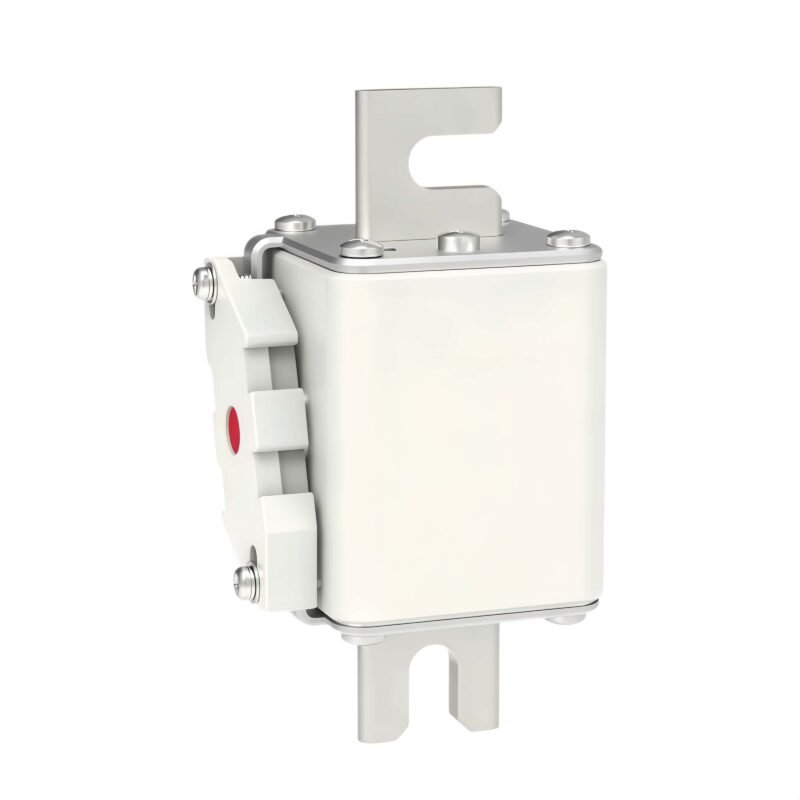
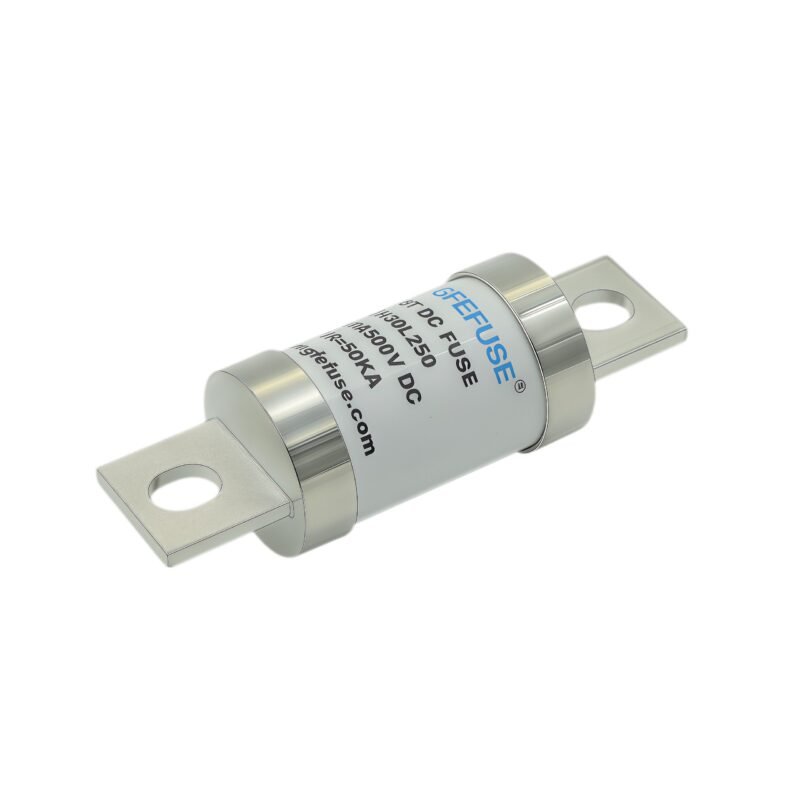
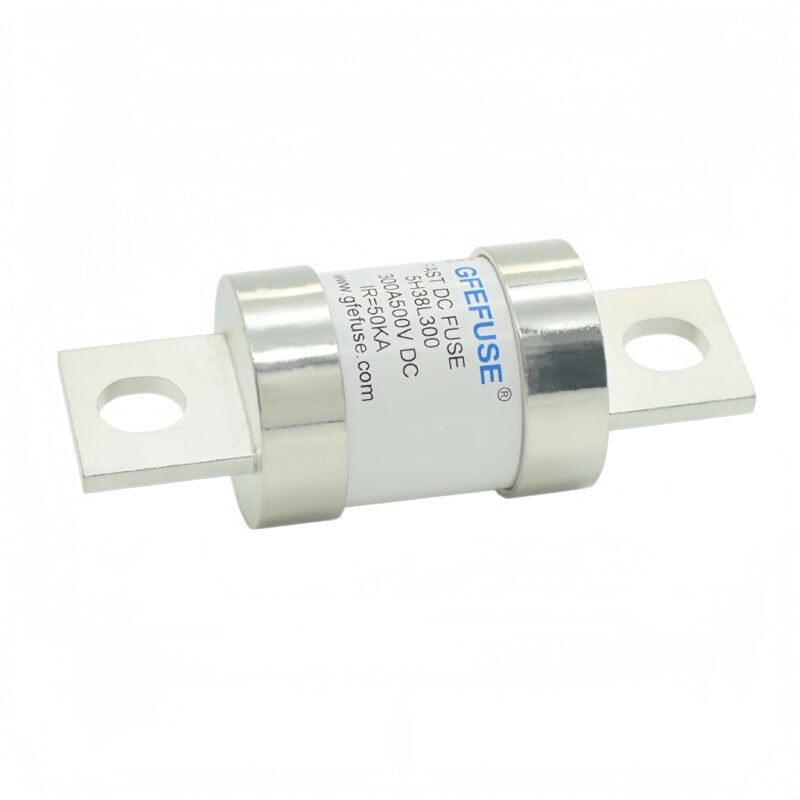
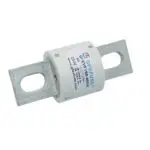
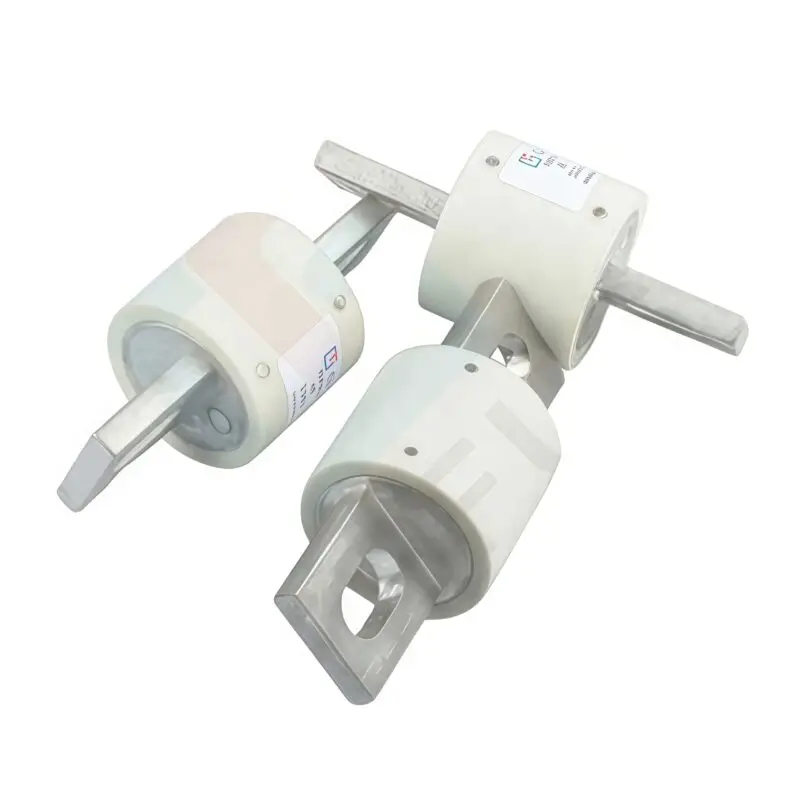
GFEVF300 Series is North‑American‑style aR‑class DC power semiconductor fuse manufactured by GFEVFUSE. First of all, this high‑speed semiconductor‑protection fuse targets heavy‑duty 250/300V DC industrial circuits. Therefore, it delivers excellent DC interruption performance with low arc voltage and low I²t energy let‑through. Furthermore, the current spectrum covers 35A up to 2500A with 50kA high rated breaking capacity at 300V DC. In addition, it follows UL248.13, IEC60269.4 standards and carries CE, RoHS compliance. As a result, it serves as reliable short‑circuit and over‑current safeguard for large‑scale energy‑storage, battery‑pack and power‑conversion DC equipment.
General Key Specifications
| Articolo | Parametro |
|---|---|
| Serie | GFEVF300 (North‑American‑Style DC Power Semiconductor Fuse) |
| Tensione nominale | 250V, 300V DC |
| Intervallo di corrente nominale | 35A‑2500A |
| Capacità di rottura nominale | 50kA @300V DC(max) |
| Costante di tempo | 2,5±0,5 ms |
| Classe di protezione | aR (Semiconductor‑protection class) |
| Reference Standards | UL248.13, IEC60269.4 |
| Certificazioni | Conforme alle normative CE e RoHS |
Electrical Parameters(I²t & Watts Loss @300V DC)
| Modello | Corrente nominale (A) | Pre-arco I²t(A²s) | Cancellazione I²t(A²s) | Perdita di potenza (W) |
|---|---|---|---|---|
| GFEVF300‑035 | 35 | 50 | 230 | 4.2 |
| GFEVF300‑040 | 40 | 60 | 310 | 5.2 |
| GFEVF300‑045 | 45 | 80 | 390 | 5.7 |
| GFEVF300‑050 | 50 | 100 | 520 | 6.0 |
| GFEVF300‑060 | 60 | 140 | 740 | 8.1 |
| GFEVF300‑070 | 70 | 330 | 1400 | 7.2 |
| GFEVF300‑080 | 80 | 430 | 1850 | 8.1 |
| GFEVF300‑090 | 90 | 570 | 2450 | 9.0 |
| GFEVF300‑100 | 100 | 740 | 3150 | 10.0 |
| GFEVF300‑125 | 125 | 1130 | 4850 | 12.5 |
| GFEVF300‑150 | 150 | 1620 | 6950 | 15.5 |
| GFEVF300‑175 | 175 | 2170 | 9300 | 18.5 |
| GFEVF300‑200 | 200 | 3210 | 14700 | 22 |
| GFEVF300‑225 | 225 | 3960 | 18100 | 24 |
| GFEVF300‑250 | 250 | 3960 | 18100 | 27 |
| GFEVF300‑275 | 275 | 4720 | 21600 | 31 |
| GFEVF300‑300 | 300 | 6000 | 27300 | 32 |
| GFEVF300‑350 | 350 | 10600 | 48600 | 39 |
| GFEVF300‑400 | 400 | 14500 | 66100 | 44 |
| GFEVF300‑450 | 450 | 22100 | 101000 | 49 |
| GFEVF300‑500 | 500 | 28000 | 128000 | 54 |
| GFEVF300‑600 | 600 | 41100 | 188000 | 62 |
| GFEVF300‑700 | 700 | 48800 | 190000 | 72 |
| GFEVF300‑800 | 800 | 59000 | 230000 | 84 |
| GFEVF300‑1000 | 1000 | 44000 | 360000 | 100 |
| GFEVF300‑1200 | 1200 | 922000 | 750000 | 103 |
| GFEVF300‑1500 | 1500 | 120000 | 880000 | 140 |
| GFEVF300‑1600 | 1600 | 160000 | 1200000 | 140 |
| GFEVF300‑2000 | 2000 | 320000 | 2300000 | 151 |
| GFEVF300‑2500 | 2500 | 670000 | 4700000 | 163 |
Dimensioni esterne (mm)
| Intervallo attuale | A±1,5 | B±1 | C±1 | D±1,5 | E±0,5 | F±0,5 | H±1 | G±0,5 |
|---|---|---|---|---|---|---|---|---|
| 35‑60A | 80 | 20 | 40 | 61 | 9 | 15 | 4 | 13 |
| 70‑200A | 80 | 32 | 40 | 58 | 9 | 25 | 5 | 12 |
| 225‑600A | 98 | 38 | 40 | 65 | 10 | 25 | 6 | 20 |
| 700‑800A | 98 | 50 | 40 | 67 | 10 | 38 | 6 | 20 |
| 1000‑1200A | 65 | 75 | 38 | ‑ | ‑ | ‑ | ‑ | ‑ |
| 1500‑2500A | 65 | 90 | 38 | ‑ | ‑ | ‑ | ‑ | ‑ |
Condizioni di funzionamento e di conservazione
| Articolo | Parametro |
|---|---|
| Temperatura di conservazione | ‑40℃ ~ +120℃ |
| Temperatura ambiente di funzionamento normale | ‑5℃ ~ +40℃ |
| Allowable Operating Temp Range | ‑40℃ ~ +85℃ |
| Corrente continua consigliata | Corrente nominale del fusibile ≤75% |
| Altitudine di utilizzo normale | ≤2000 m |
| Prestazioni antivibranti | accelerazione ≥20g |
Note: Apply temperature‑derating(Kt) and altitude‑derating(Ka) factors when operating beyond normal ranges. Refer to datasheet for exact coefficients.
Caratteristiche principali e vantaggi
- DC‑optimized design: Delivers excellent DC interruption performance, low arc‑voltage and low I²t energy let‑through. Therefore, it lowers stress on protected semiconductor components.
- Ultra‑fast fault response: Opens up to ten times faster under high fault‑current. Thus it protects IGBT, thyristor and other sensitive semiconductor devices effectively.
- Low watt‑loss & superior cycling capability: Low power dissipation reduces cabinet heat build‑up. In addition, it maintains stable performance for repeated working cycles.
- Parallel‑mounting allowed: Multiple fuses can work in parallel within specification guidelines to achieve higher overall ampacity.
- Strong environmental robustness: Great surge‑withstand capability, wide temperature tolerance, outstanding vibration and shock‑resistance for heavy‑duty industrial sites.
- North‑American bolt‑on construction: Convenient bus‑bar installation. Complies with CE and RoHS to satisfy global export requirements.
Applicazioni tipiche
- Large‑scale energy‑storage system DC‑side over‑current & short‑circuit protection
- Protezione degli azionamenti in corrente continua e delle apparecchiature di azionamento a velocità variabile
- Dispositivi di protezione del circuito lato CC dei convertitori di potenza e dei raddrizzatori
- Stationary & new‑energy vehicle high‑current battery‑pack main‑circuit protection
- Backup short‑circuit protection for DC relays and high‑power semiconductor power modules
Scarica le risorse
FAQ
1: What is aR‑class for GFEVF300 fuse?
A: aR represents semiconductor‑protection fuse class. In fact, it provides ultra‑fast short‑circuit cut‑off and limits fault energy, so it prevents permanent damage to sensitive semiconductors such as IGBT and thyristor.
2: Can GFEVF300 be deployed for AC‑circuit protection?
A: This series is optimized for DC‑system scenarios. For this reason, avoid AC‑circuit application unless you complete full‑performance verification with manufacturer technical support.
3: Why should continuous operating current be limited ≤75% of rated value?
A: This practice reserves thermal safety margin for ambient‑temperature rise, altitude derating and transient load fluctuation. It extends service‑life and prevents unwanted non‑intentional blowing.
4: How to handle installation above 2000 m altitude?
A: For closed‑cabinet installation, derate rated‑current 2%‑5% per 1000‑meter elevation increase. Meanwhile check air‑insulation‑gap reduction. Open‑air applications can generally skip derating.
5: Can I connect multiple GFEVF300 fuses in parallel for higher‑current demand?
A: Yes, parallel installation is permitted within official specification limits. But you must ensure well‑balanced current‑sharing for each fuse unit during system design.
6: What influence does high ambient temperature exert?
A: If ambient temperature exceeds +40℃, apply temperature‑derating factor Kt to reduce practical working‑current. Please refer to datasheet derating curve for exact values.
7: May I replace the fuse under live‑load condition?
A: Normally you cannot replace fuse under loaded state. Unless your equipment belongs to special load‑break fuse‑switch, cut‑off power source before any fuse‑replacement work.